Smart Garage Door Opener Guest Access Audit: Safer Temporary Codes and Alerts
A practical 2026 audit for temporary garage access, smart-opener alerts, keypad codes, vacation checks, and privacy-safe household routines.
Smart Garage Door Opener Guest Access Audit: Safer Temporary Codes and Alerts
A smart garage opener is convenient because it sits at the boundary between home, car, storage, packages, and family routines. That also makes it a device worth auditing before vacations, repairs, pet sitting, or a visiting relative. The goal is not to make access complicated. The goal is to make temporary access easy to grant, easy to revoke, and easy to understand when something unusual happens. This guide is current as of June 2026 and focuses on household practices rather than brand-specific app screens, because app labels and menus change quickly.
The quick access decision table
| Situation | Safer access choice | Time limit | Alert to enable | Afterward |
|---|---|---|---|---|
| One-time delivery helper | Temporary code or meet in person | Same day | Door opened and left open | Delete code |
| Pet sitter | Named code for each sitter | Trip dates only | Open, close, left open | Review history |
| Contractor | Daytime-only code | Work window | Open outside window | Remove immediately |
| Family visit | Separate guest code | Visit dates | Left-open reminder | Convert only if recurring |
| Emergency backup | Trusted neighbor plan | Reconfirm monthly | Manual call plus app alert | Rotate if shared |
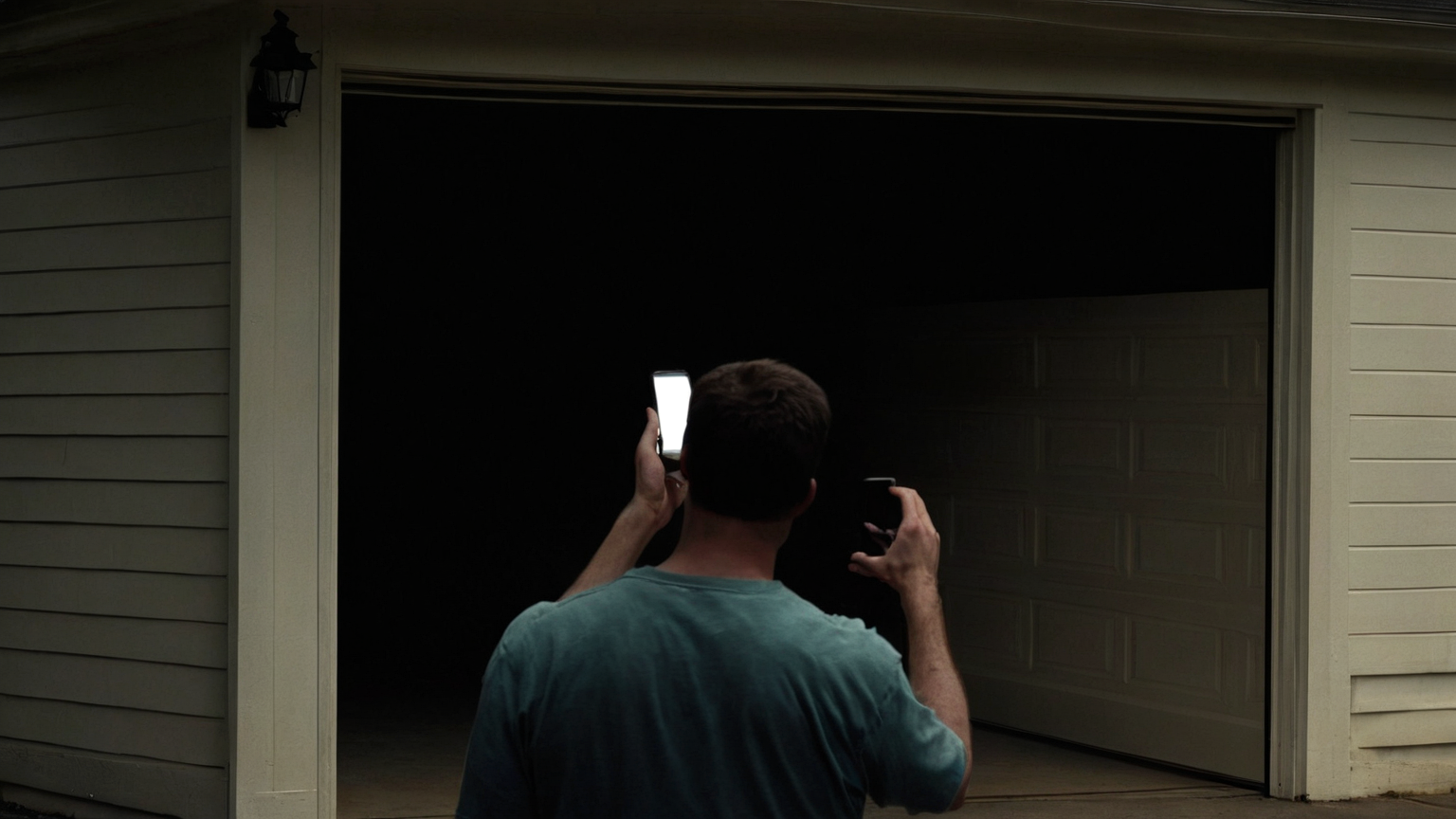
Start with the mechanical safety baseline
Do not let an app hide a door that sticks, reverses unpredictably, has blocked photo-eyes, or needs force to move. Check that the door closes cleanly, the safety sensors are aligned, the emergency release is known to adults, and stored items are not leaning into the track. If the door behaves oddly, pause smart sharing and fix the physical problem first. A temporary code is not a safety plan when the door itself is unreliable.
Create named access instead of shared secrets
A permanent household PIN tends to spread. A neighbor, sitter, delivery helper, and relative may all know the same number months later. Named temporary access solves three problems: you can explain the purpose, identify which code was used, and remove it without disrupting the family. If the app supports date windows, use them. If it only supports manual codes, put the delete date on your calendar before giving the code away.
Build an alert ladder, not a notification storm
Most households ignore alerts when every open and close becomes noise. Keep the alerts that require action: opened outside an expected window, door left open, code used while nobody is expected, and repeated failed entry attempts if supported. Put low-value events into an activity log rather than push notifications. The best system is quiet most days and unmistakable when something actually needs attention.
Vacation checklist
- Confirm the door fully closes from inside before leaving.
- Remove old guest codes from previous services.
- Give one named code to the person who truly needs it.
- Set a left-open reminder that is short enough to matter but not so short that normal loading triggers panic.
- Tell the helper whether packages may be placed inside or should stay outside.
- Keep a non-app backup contact in case the cloud service, Wi-Fi, or phone battery fails.
Privacy and household trust
Garage history can reveal work hours, trips, and family routines. Treat it like household security data. Do not screenshot activity logs into group chats unless necessary. Do not reuse passwords from other accounts. Enable multi-factor authentication where the opener account supports it, and remove devices that no longer belong to the household. When a renter, roommate, or caregiver changes, review access the same week, not months later.
When smart features are not enough
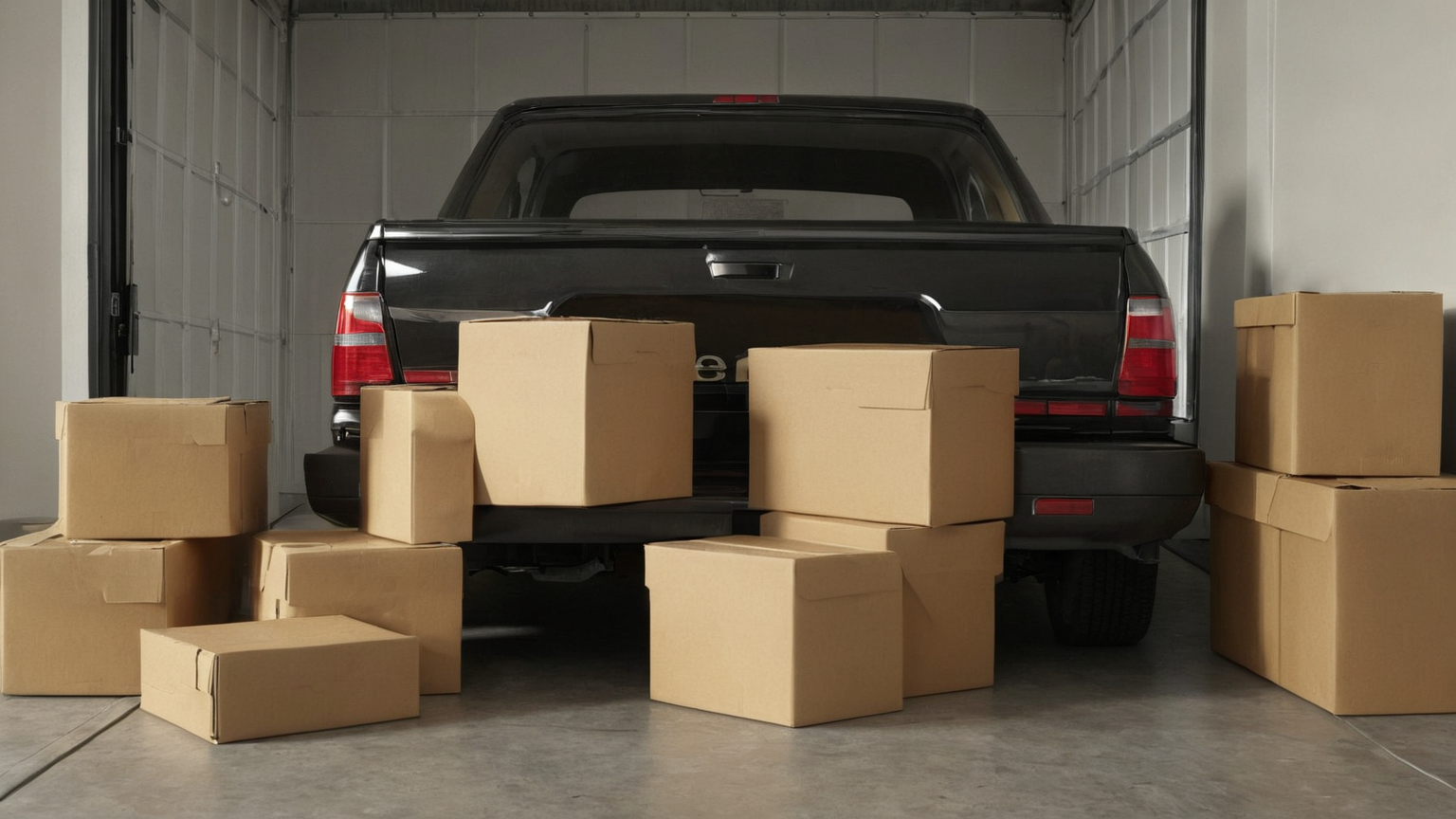
If the garage stores tools, bikes, medication, chemicals, or documents, access planning also needs physical organization. Keep hazardous items away from children and visitors. Label private storage internally without putting readable labels in public view. For high-value items, consider whether the garage is the right storage location at all. A smart opener can record entry, but it cannot make a cluttered or hazardous garage safe.
Summary
A good garage access audit removes stale codes, separates guests, keeps only meaningful alerts, respects privacy, and confirms the door is mechanically safe. That makes the post useful for readers and preserves AdSense readiness: the advice is source-backed, practical, non-alarmist, and not padded with affiliate device recommendations.