Smart Garage Ventilation Fan Routine: Summer Heat, Fumes, and Smart Plug Safety
A practical 2026 smart-home guide to garage ventilation routines, heat, fumes, safe controls, manual overrides, and sensor limits.
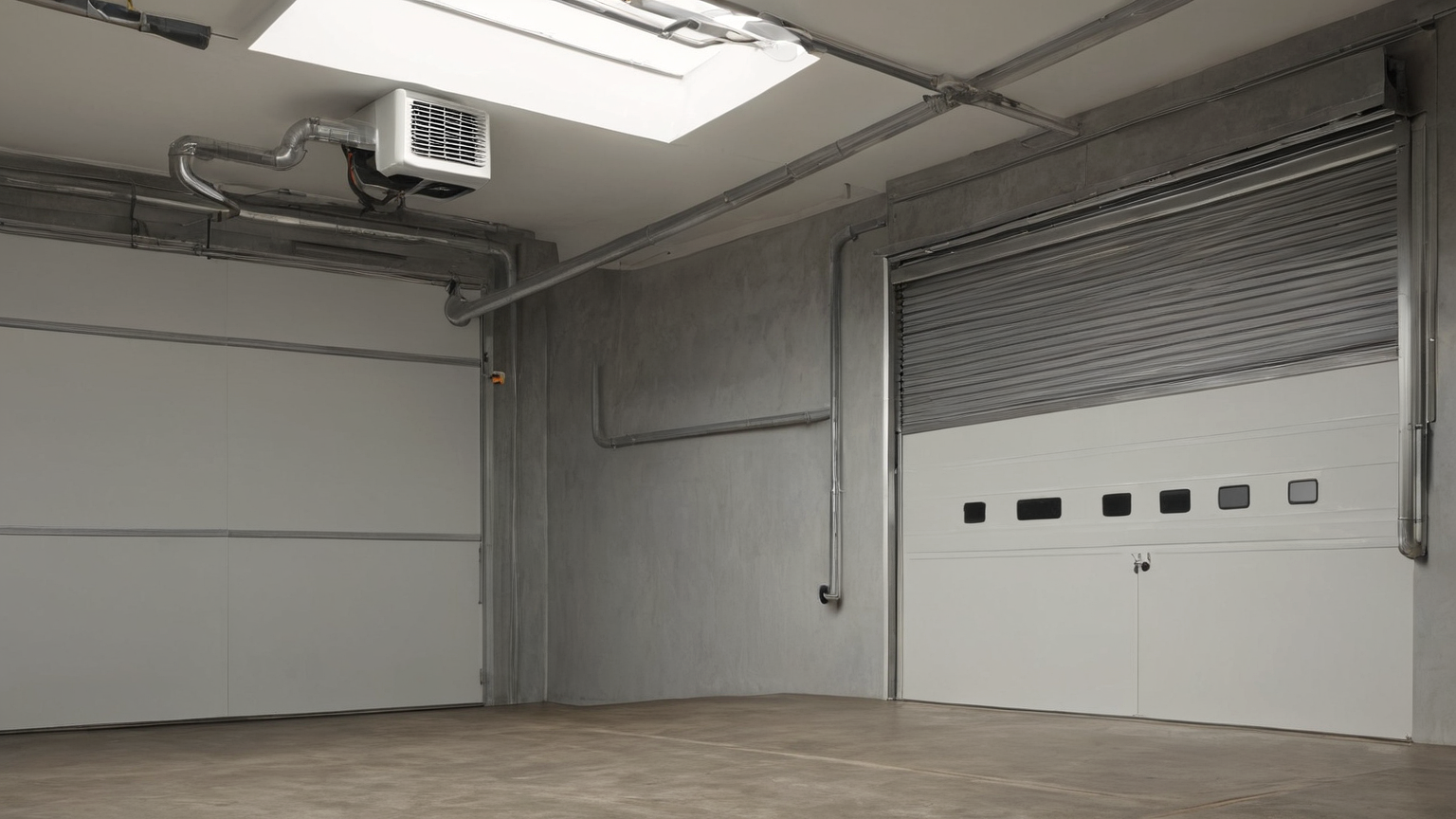
A smart garage ventilation routine should never promise to “solve” fumes. Attached garages have heat, stored chemicals, vehicle risk, dust, and electrical limits that make simple rules safer than clever automations. This June 2026 guide shows how to use a fan, sensor, schedule, and manual switch to improve comfort while keeping carbon-monoxide and fire-safety boundaries clear.
Garage ventilation decision table
| Situation | Helpful smart-home role | Hard safety limit |
|---|---|---|
| Hot afternoon garage | Timed fan run and reminder | Do not block exits or overload outlets |
| Fume concern | Alert to leave and ventilate from outside | Do not stay inside diagnosing CO risk |
| Attached garage | Door-closed reminder to the home | Never idle vehicles indoors |
| Dusty storage | Maintenance prompt | Do not run a dirty or damaged fan |
| Power outage | Manual plan | App-only control is not enough |
Start with what the fan cannot do
A fan is not a carbon-monoxide treatment system, a substitute for an alarm, or permission to run engines indoors. If an alarm sounds, symptoms appear, or fuel-burning equipment is involved, the plan is fresh air and emergency guidance, not a new automation. Connected devices should make a safe routine easier to repeat, not make a risky activity feel controlled.
Check load, outlet, and environment
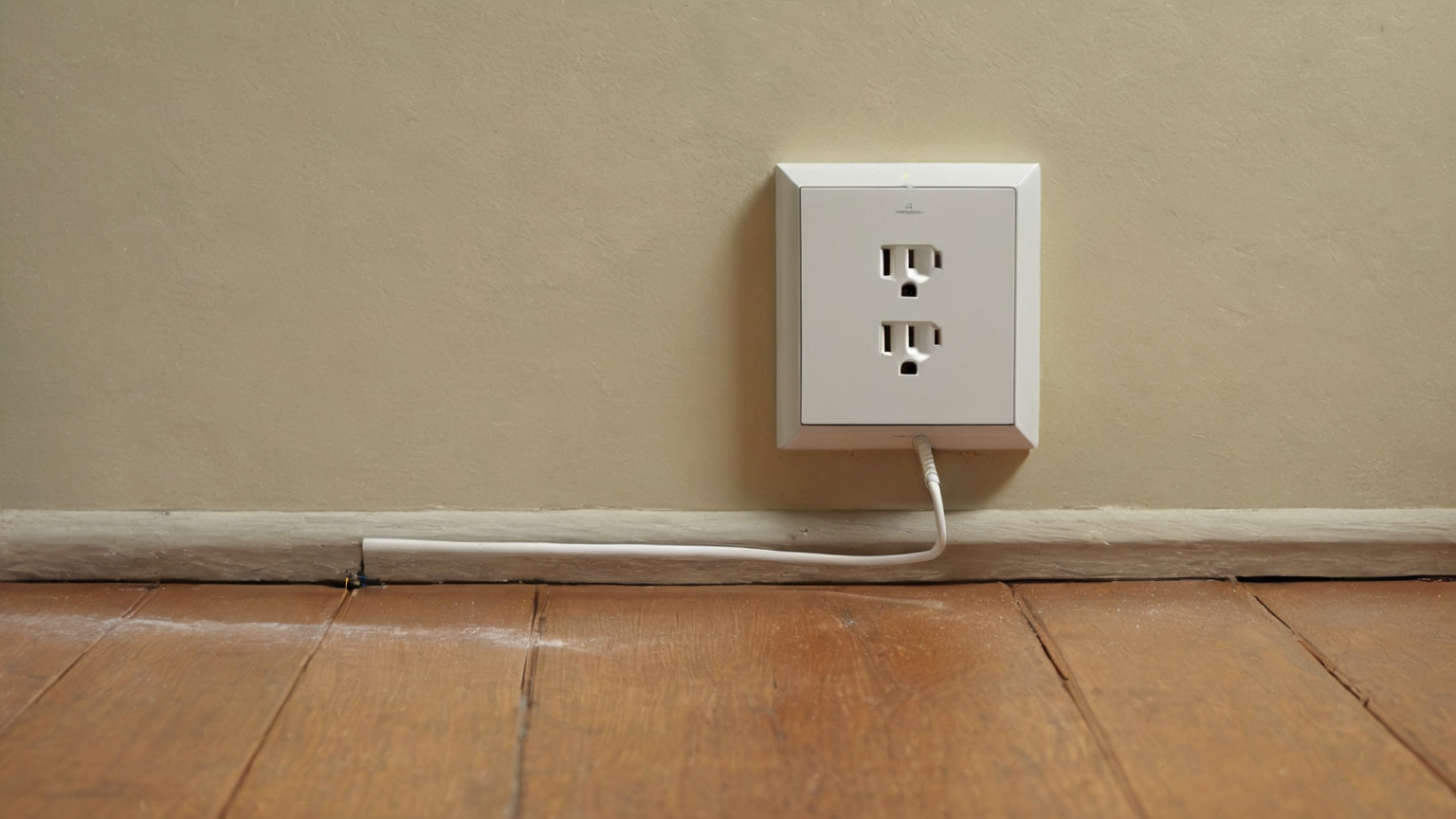
Before connecting a fan to a smart plug or relay, confirm the electrical rating, startup load, location, cord condition, and moisture exposure. Avoid extension cords under stored items or across walking paths. A plug that runs warm, buzzes, trips, or sits near water is a stop sign. The safest controller is often a properly installed wall timer or rated switch.
Make a summer heat routine
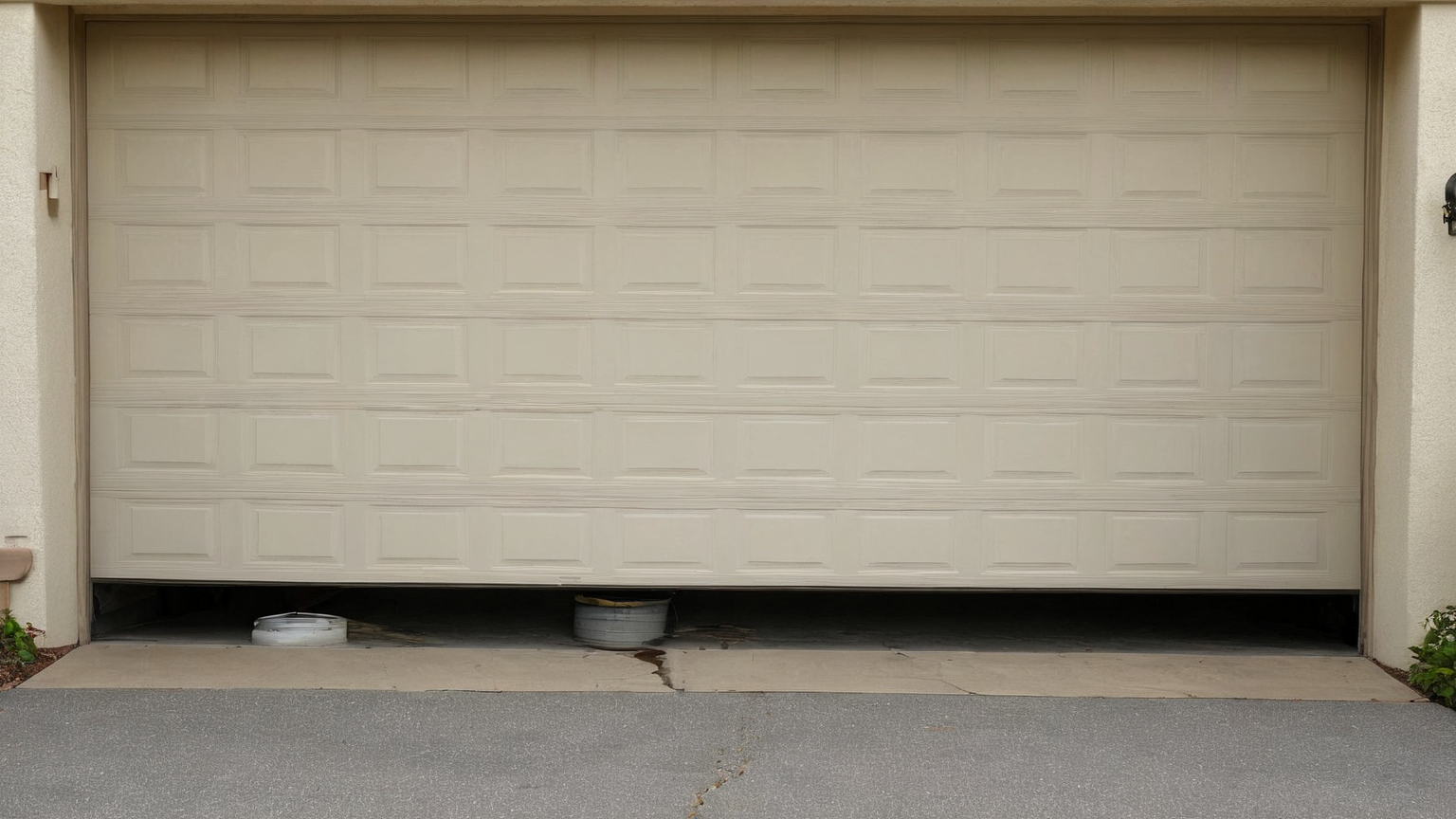
Use a short schedule for the hottest part of the day, then review whether it actually lowers garage heat without pulling unwanted air into the living space. Keep the house-facing door closed, leave combustible clutter away from motors, and do not store heat-sensitive items near the fan. If the garage is used as a workshop, add a cleanup step before the fan run.
Sensor rules should be boring
Temperature and contact sensors are good for reminders, not life-safety decisions. A useful rule might say: if the garage is hot and the interior door has been closed, run the fan for a limited period. Avoid rules that repeatedly turn equipment on at night, ignore manual overrides, or create alert fatigue. Everyone should know how to shut the fan off without the app.
Keep the interior door in the plan
The best garage routine protects the living space. Add a habit to close the house-facing door, check weatherstripping, and avoid leaving storage against the threshold. If odors enter the home, document timing and conditions rather than masking them with fragrances. The issue may be ventilation, storage, appliance, or building-envelope related.
Monthly maintenance checklist
Inspect fan dust, cord heat, outlet fit, mounting hardware, sensor battery, manual switch, and the carbon-monoxide alarm path. Test notifications, but do not route garage fan alerts through the same channel as low-priority smart-home chatter. Replace “set and forget” with a visible maintenance note.
When to skip automation
Skip smart controls if the fan is old, damaged, high-load, hardwired beyond your skill, near moisture, or needed for code-required ventilation. Skip if household members might misunderstand it as permission to run a vehicle inside. In those cases, a professional assessment and simpler manual routine are more trustworthy.
Summary
A good smart garage fan routine is conservative: rated equipment, clear airflow, limited schedules, manual override, and carbon-monoxide boundaries. It preserves AdSense readiness by giving readers safety-first decisions instead of pushing devices as a cure-all.