Smart Garage Ventilation Sensor Routine: Summer Heat and Fume Safety Checks
A practical 2026 smart-home routine for garage heat, fumes, CO awareness, door sensors, ventilation checks, and safe manual rules.
A smart garage routine should reduce risk, not create confidence that a phone app can smell fumes or heat for you. Attached garages can collect heat, exhaust, solvent odors, battery-charger clutter, and blocked walkways. This June 2026 guide uses current public safety guidance to build a cautious routine: sensors as reminders, carbon-monoxide awareness, ventilation checks, and manual rules that work when Wi-Fi is down.
Quick decision table
| Signal | Safer response | Do not rely on | Why |
|---|---|---|---|
| Fuel or exhaust smell | Leave, ventilate only if safe, investigate source | App notification silence | Some hazards are not measured by simple sensors |
| Heat trapped after chores | Open path briefly and schedule cooler work | A fan pointed at clutter | Air needs a clear route |
| CO alarm sounds | Get people outside and call emergency help | Resetting the alarm | CO can be deadly and invisible |
| Door left open | Reminder plus household check | Automatic close without looking | Pets, people, and objects may be in the path |
| Charger or tool heat | Unplug and inspect safely | Hidden extension cords | Heat plus clutter increases risk |

Put safety rules above automation
The first rule is simple: do not run a vehicle in an attached garage. A smart door sensor, camera, or air-quality gadget cannot make that safe. Keep working CO alarms in the home according to manufacturer instructions and public safety guidance. If an alarm sounds, treat it as urgent; do not use the smart-home dashboard as a debate partner.
Map what the sensor can actually know
A door sensor knows open or closed. A temperature or humidity sensor knows local conditions. Some air-quality devices estimate particles or volatile compounds, but they may not detect every dangerous condition and can be poorly placed. Write down what each device measures, what it does not measure, and what action a human should take.
Create a summer heat routine
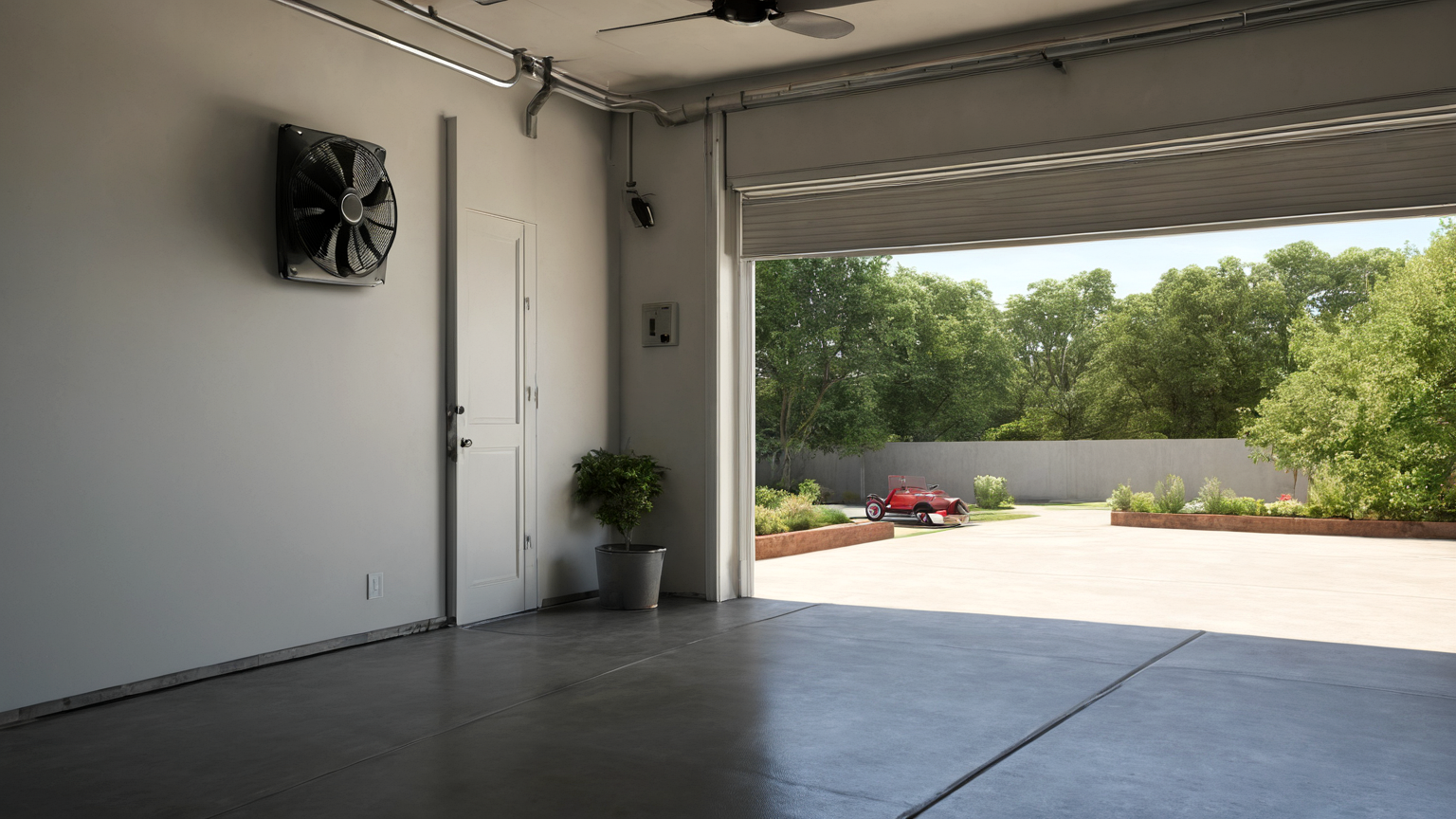
Garages can stay hot long after sunset. Schedule messy or heat-producing work for cooler hours, keep an exit path clear, and avoid storing heat-sensitive items near chargers, appliances, or direct sun. A smart temperature alert is useful when it starts a household action: postpone the chore, move a person out of the heat, or check whether a door was left open.
Ventilation is a path, not a gadget
A fan in a blocked corner does little. Before using a fan, clear the floor, open a safe path, and confirm that nothing can fall into blades or cords. Do not run cords under doors or rugs. If an odor suggests fuel, exhaust, or chemicals, stop and use the product or emergency guidance rather than improvising with automations.

Door automation needs a person check
Automatic closing routines are tempting, but a garage door is heavy and the opening is shared by people, pets, bikes, and storage. Use reminders first: “garage has been open ten minutes” or “garage closed after workshop session; check airflow.” If you use a close command, require a camera view or a person nearby and keep built-in safety sensors maintained.
Monthly safety checklist
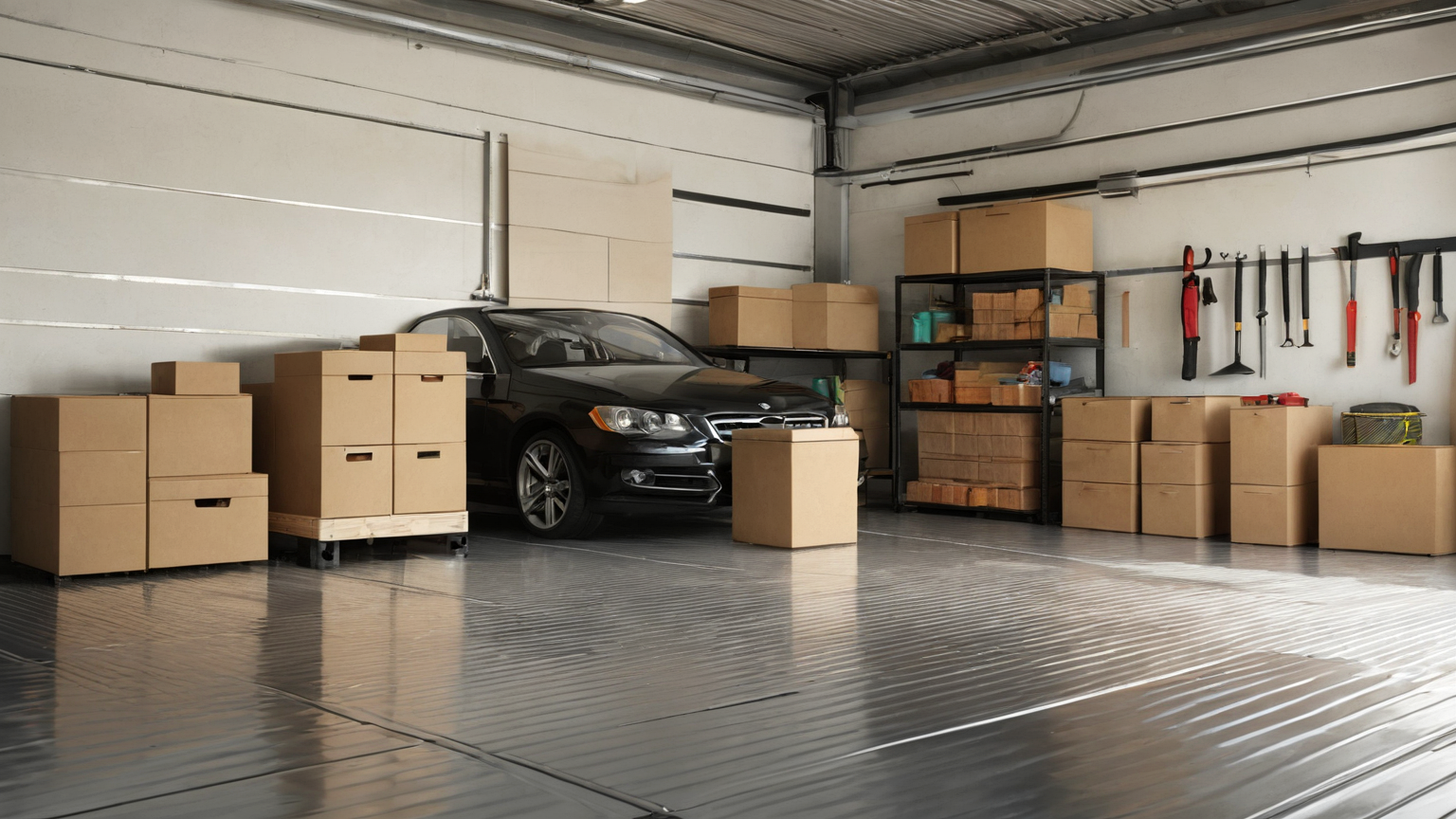
Test household CO alarms, review garage sensor batteries, clear the walkway, inspect extension cords, remove unlabeled chemical clutter, confirm chargers are on stable surfaces, and make sure every adult knows when to leave and call for help. The routine should be boring, visible, and independent of a single app account.
Summary
A useful smart garage setup turns invisible routines into visible reminders while respecting the limits of consumer sensors. It preserves AdSense readiness because it gives safety-first, non-commercial guidance: public sources, practical boundaries, and clear “do not rely on automation” caveats before any product decision.