Smart Mailbox Package Sensor Rainy Season Delivery Routine
A practical 2026 smart-home checklist for mailbox and package sensors, rain-safe delivery habits, privacy boundaries, alerts, and neighbor-friendly escalation.
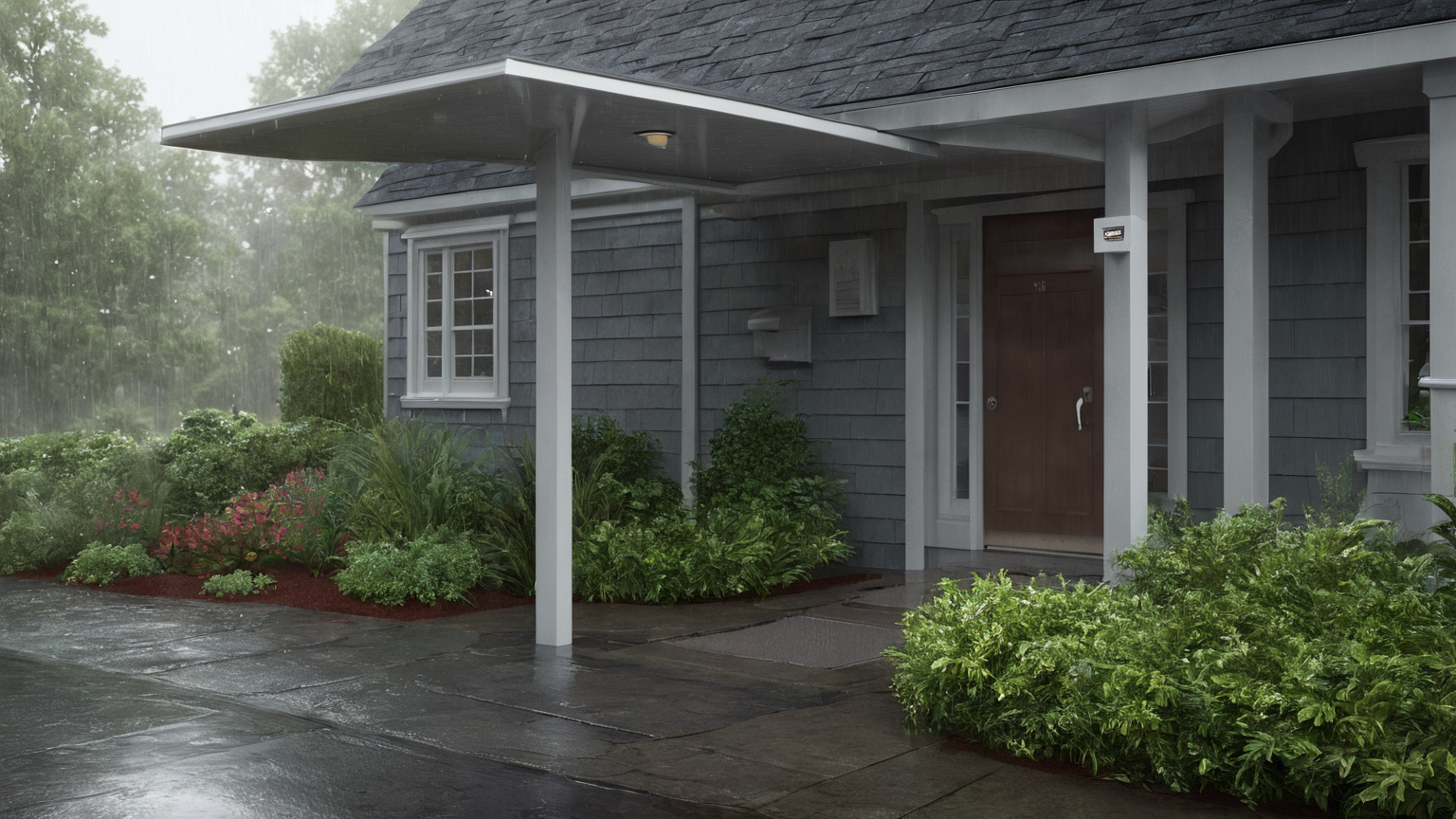
A mailbox or package sensor is useful only when it changes what the household does after a delivery alert. Rainy season adds a second problem: a late pickup can mean wet cardboard, visible packages, damaged labels, or a rushed decision to message a neighbor. This guide turns the device into a calm routine that protects mail, privacy, and neighbor relationships without promising that a sensor can prevent theft.
Decision table
| Situation | Better routine | Avoid |
|---|---|---|
| Delivery alert during rain | Ask the assigned adult to pick up or move it to a dry zone | Letting alerts pile up until bedtime |
| Repeated false alerts | Narrow the contact or motion trigger | Adding louder notifications for everyone |
| Shared building | Use official parcel lockers or manager rules | Leaving notes with private codes |
| Possible theft | Preserve order details and report through official channels | Posting accusations from a blurry clip |
Start with the delivery path
Map where mail actually lands: mailbox slot, porch, parcel locker, lobby shelf, garage door, or side gate. A sensor on the wrong object creates noise. Put the first alert where a real household action follows: someone checks the box, opens the covered bin, or moves a package away from rain. If the carrier uses several locations, write those locations down before buying more devices.
Make the rain plan physical
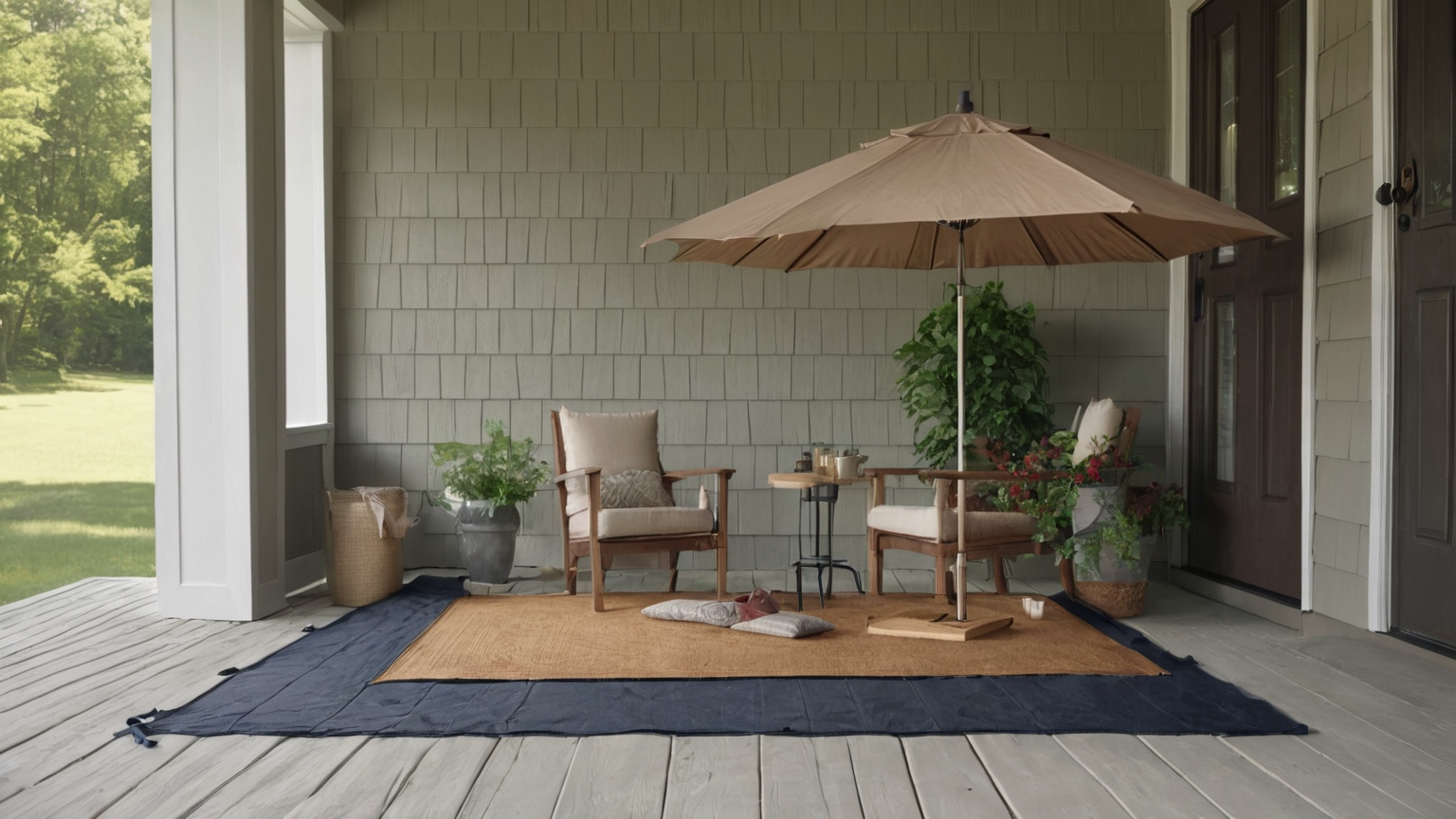
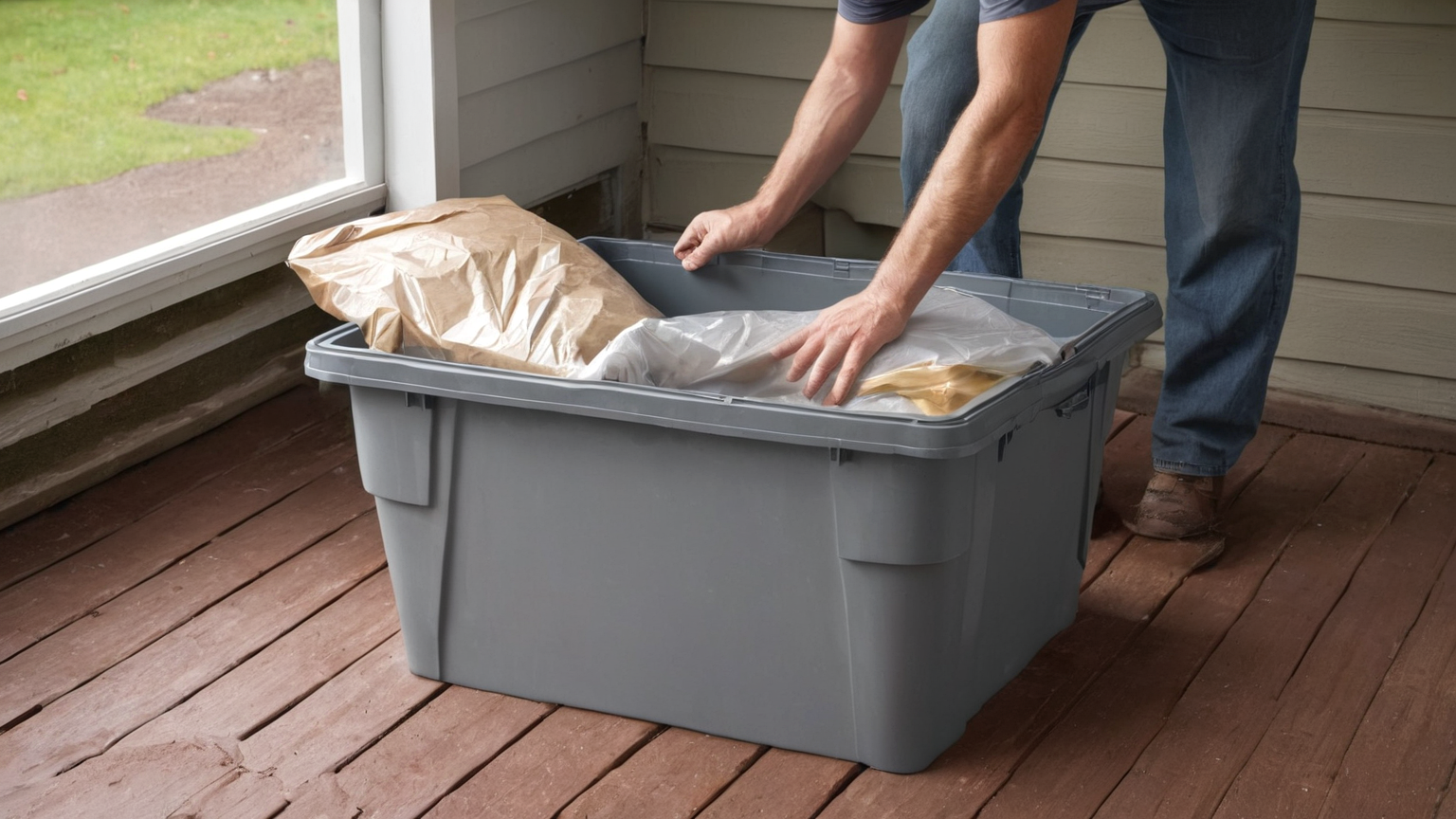
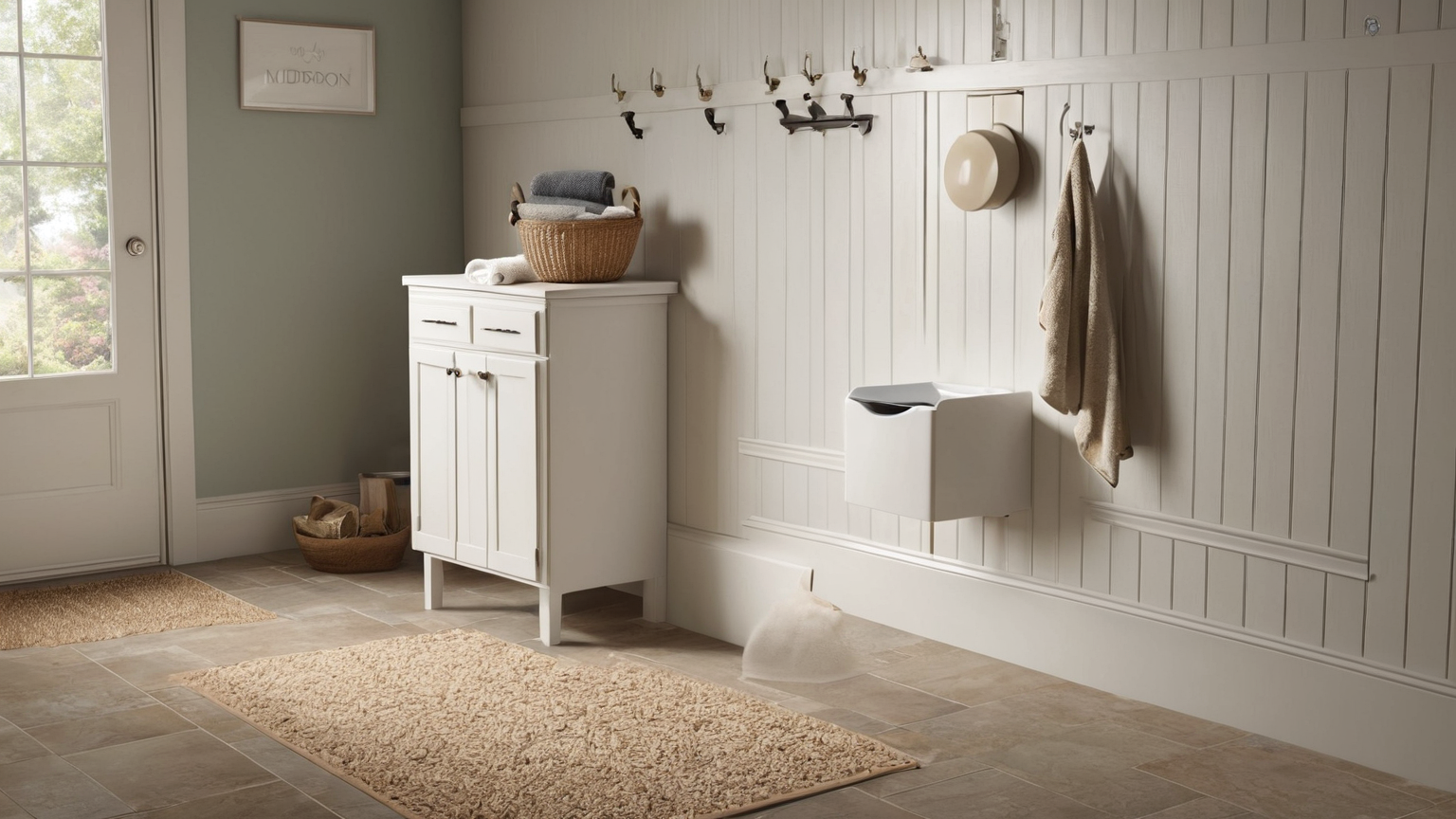
A good rainy-season routine includes a dry mat, a covered bin if allowed, a towel zone inside the entry, and a place for wet packaging away from food or electronics. Do not put packages where they block steps, exits, or a door swing. For apartments, respect building rules and avoid taping signs or hardware to shared mail areas without permission.
Keep alerts small and assigned
The fastest way to ruin a helpful sensor is to notify everyone about every vibration. Assign one weekday owner and one backup. Use quiet notifications first, then add a louder alert only for high-value deliveries or bad weather. If the sensor cannot distinguish mail from wind or a closing door, reduce the sensitivity before adding cameras.
Privacy boundaries
A package routine should not turn normal sidewalk activity into surveillance theater. Aim any camera or motion zone at your doorway and package area, not a neighbor’s window, public seating area, or shared hallway. Do not publish faces, license plates, or private delivery notes online. If something is missing, use the seller, carrier, and postal inspection reporting paths rather than public accusations.
Wi-Fi and battery checks
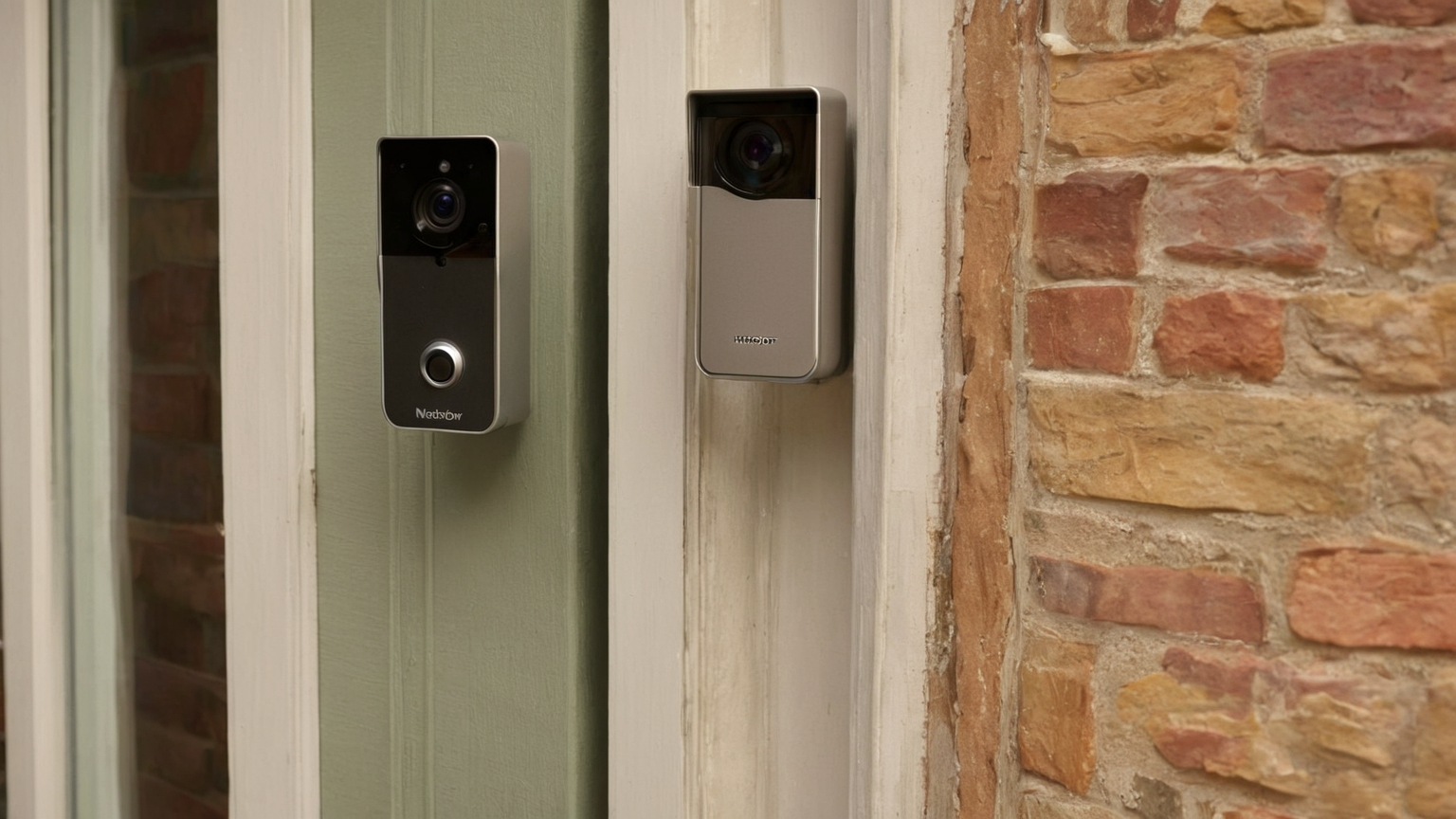
Mail areas often sit at the edge of a home’s Wi-Fi range. Test the signal with the door closed and during rain, then check battery warnings monthly. A sensor that silently drops offline is worse than no sensor because the household trusts a routine that is no longer working. Keep a manual habit: if a tracking page says delivered but no alert arrived, check the physical mailbox.
Neighbor and travel routines
For travel, do not rely on a stranger-facing note that reveals absence. Use official hold-mail or parcel options when appropriate, a trusted pickup person, and a short checklist that avoids sharing account passwords or door codes. In multi-unit buildings, ask management about parcel rooms before inventing a workaround.
Weekly audit checklist
- Sensor is online and battery level is visible.
- Delivery locations still match real carrier behavior.
- Wet packaging has a safe indoor landing zone.
- Alerts go to the right person, not the whole family.
- Camera zones avoid neighbors and shared private areas.
- Official reporting links are bookmarked for missing mail.
- Travel pickup plans do not expose codes or absence.
Summary
The AdSense-safe value of this routine is not gadget enthusiasm; it is a practical decision system. A mailbox sensor can reduce delay, keep packages drier, and help documentation, but the durable improvement is a household plan with privacy, official reporting, and a manual fallback.