Smart Window Shade Sunrise Routine: Heat, Privacy, and Glare Settings for 2026
A practical 2026 guide to smart window shade sunrise routines that balance summer heat, privacy, glare, manual overrides, and safe automation boundaries.
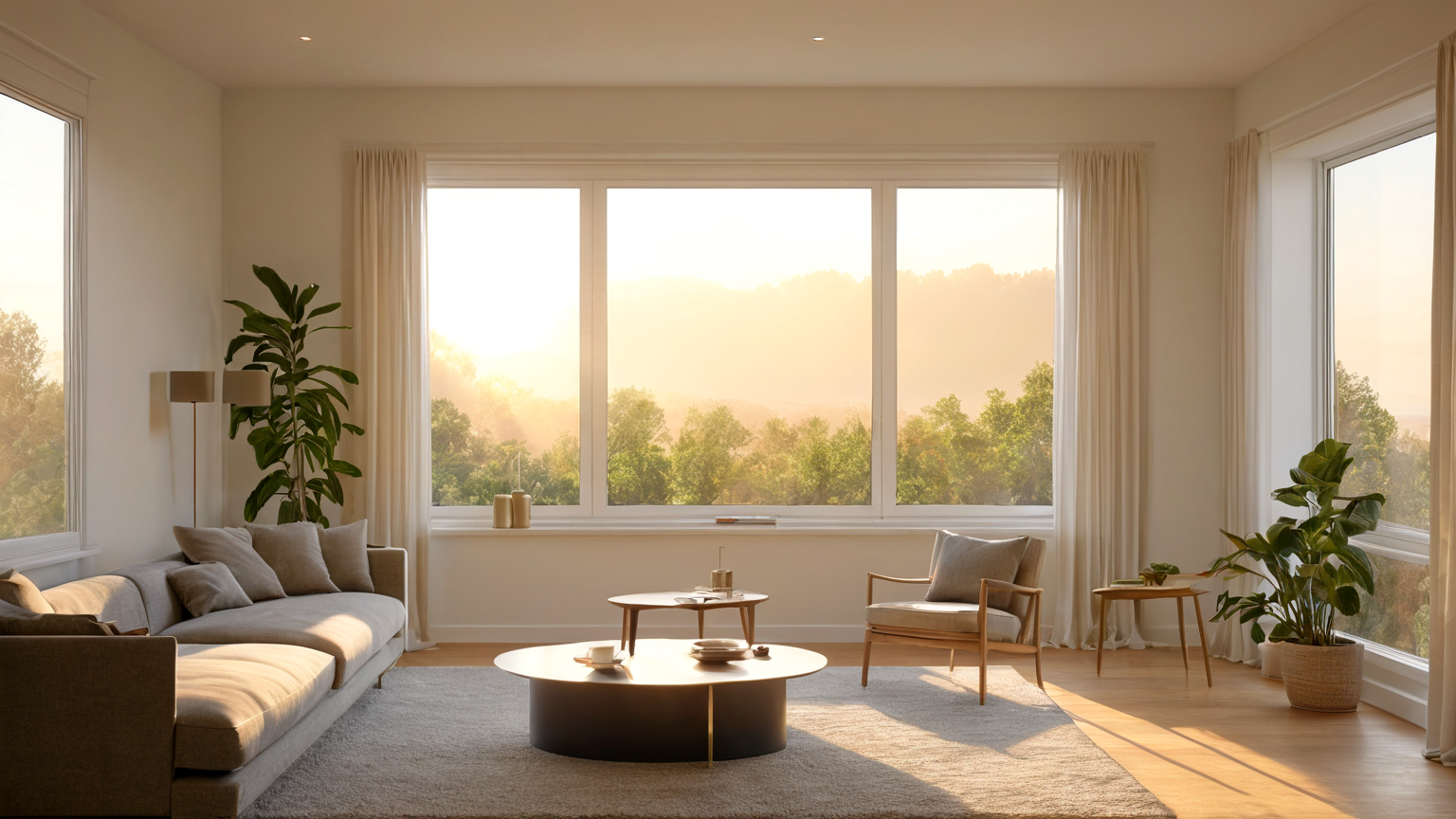
A sunrise routine for smart window shades sounds simple: open when the day begins. In summer, that can overheat a bedroom, expose a living room before people are ready, or create glare that makes work and study harder. A better June 2026 routine uses window direction, room use, privacy, heat alerts, and manual override.
Quick decision table
| Room condition | Better routine | Avoid | Weekly check |
|---|---|---|---|
| East bedroom | Partial open after wake time | Full sunrise opening | Sleep and temperature |
| Desk glare | Close during direct sun | Bright reflections | Eye comfort |
| Street window | Privacy-first schedule | Opening too early | Sidewalk view |
| Heat advisory | Midday close | Open all day | Indoor comfort |
1. Start with the real constraint
Map window direction before writing automations. East, south, west, and shaded windows behave differently, and a whole-home scene can be wrong for half the rooms. Watch two mornings and note where light lands, when screens become uncomfortable, and when privacy changes.
2. Build the routine before buying anything
Use partial positions where available. A modest opening can bring daylight while reducing solar gain and preserving privacy. If your hardware only supports open or closed, use time blocks instead of complicated scenes.
3. Protect safety, privacy, and maintenance
Make the wall switch, remote, or safe manual method obvious. Do not hide control behind one phone account. Use strong passwords, keep apps updated, and avoid sharing automation accounts broadly.
4. Use a weekly review
Review wake time, heat forecast, glare complaints, motor noise, and privacy from outside. Seasonal review matters because sunrise moves, trees change shade, and school or work routines shift.
Practical checklist
- Test from inside and outside before finalizing.
- Keep an app-free override.
- Close sunny rooms earlier during heat events.
- Avoid routines that reveal occupancy patterns.
- Stop automation if a motor pulls unevenly or makes unusual noise.
Troubleshooting
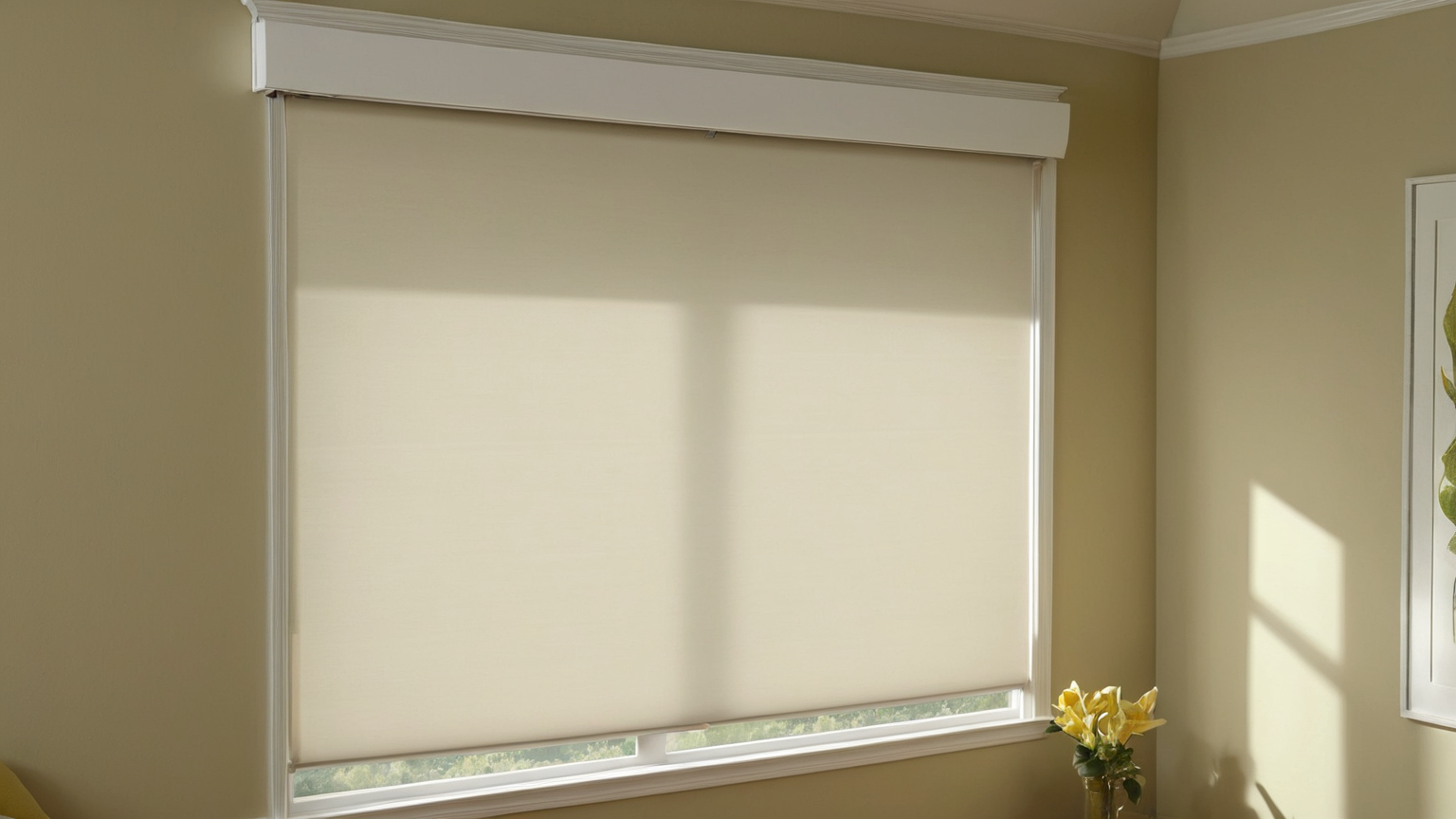
If the shade wakes people too early, delay the scene. If the room heats quickly, close before direct sun rather than after it is already hot. If guests cannot use the room, simplify controls and leave plain instructions.
AdSense-readiness note
This post preserves helpful-content quality by giving a safety and decision framework before purchase recommendations. It includes official energy, heat, privacy, and security references, internal links, FAQ schema, and no affiliate filler.
Summary
A useful smart shade routine is room-specific, privacy-first, conservative in heat, and easy to override.