Smart Bathroom Humidity Fan Timer Mold Prevention Routine
A practical smart-home routine for bathroom humidity sensors, fan timers, ventilation checks, cleaning limits, and landlord or electrician escalation without overpromising mold prevention.
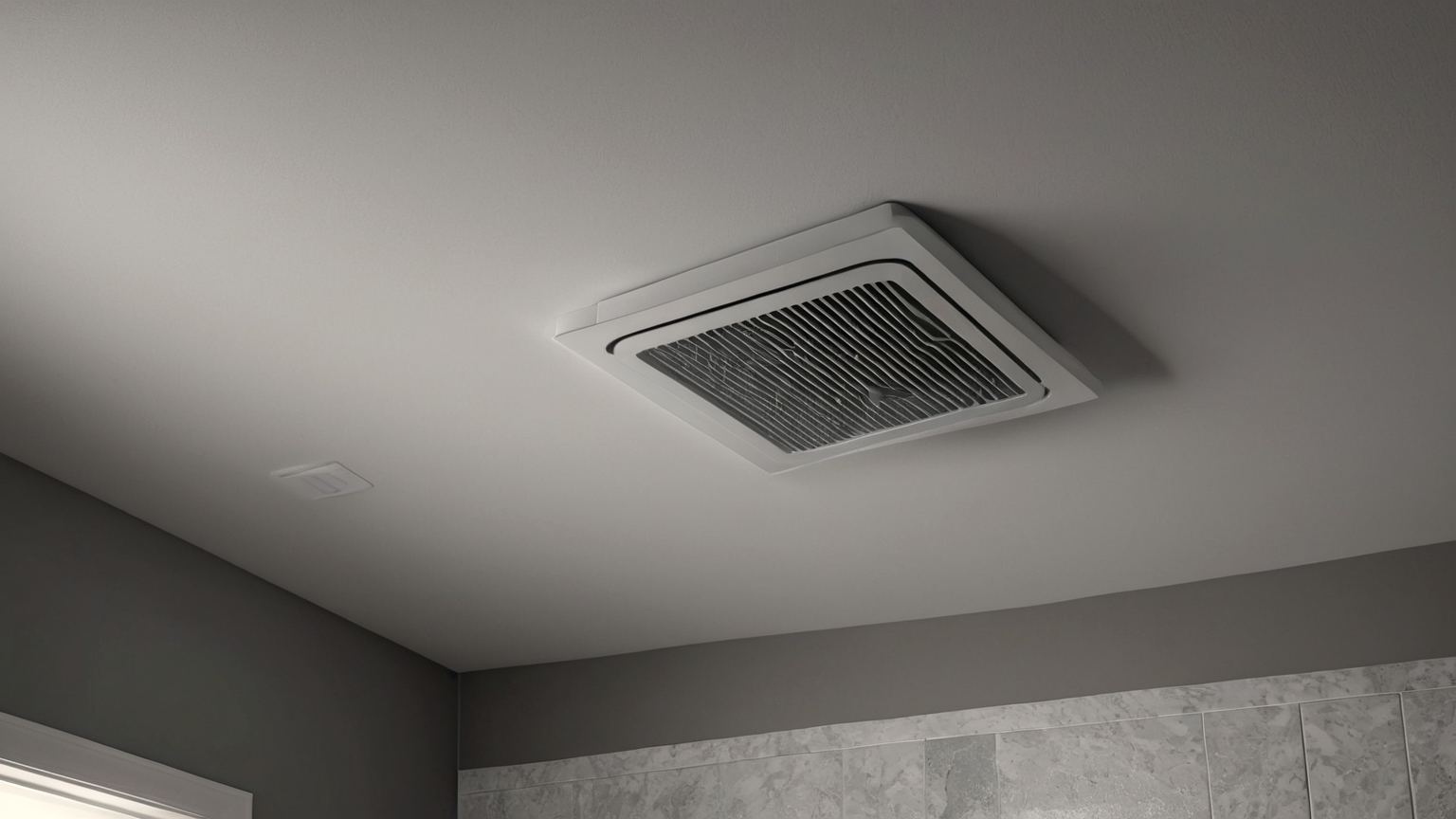
A smart humidity sensor or fan timer can make a bathroom routine easier, but it cannot certify that a room is mold-free. This June 2026 guide turns humidity alerts, fan run time, towel placement, door airflow, cleaning limits, and escalation into a realistic home routine. It keeps health and remediation claims conservative: visible mold, persistent odor, water intrusion, wiring concerns, or symptoms should move the issue to a landlord, qualified contractor, electrician, or health professional rather than another automation tweak.
Quick decision table
| Situation | Safer choice | Mistake to avoid |
|---|---|---|
| Mirror stays wet after showers | Extend fan run time if safe and allowed | Assuming a sensor alone dries the room |
| Towels stay damp | Spread them and improve airflow | Hiding damp towels in a hamper |
| Visible mold or soft wall appears | Document and escalate | Painting or perfuming over the sign |
| Smart switch requires wiring | Use a qualified electrician or landlord process | DIY wiring beyond your scope |
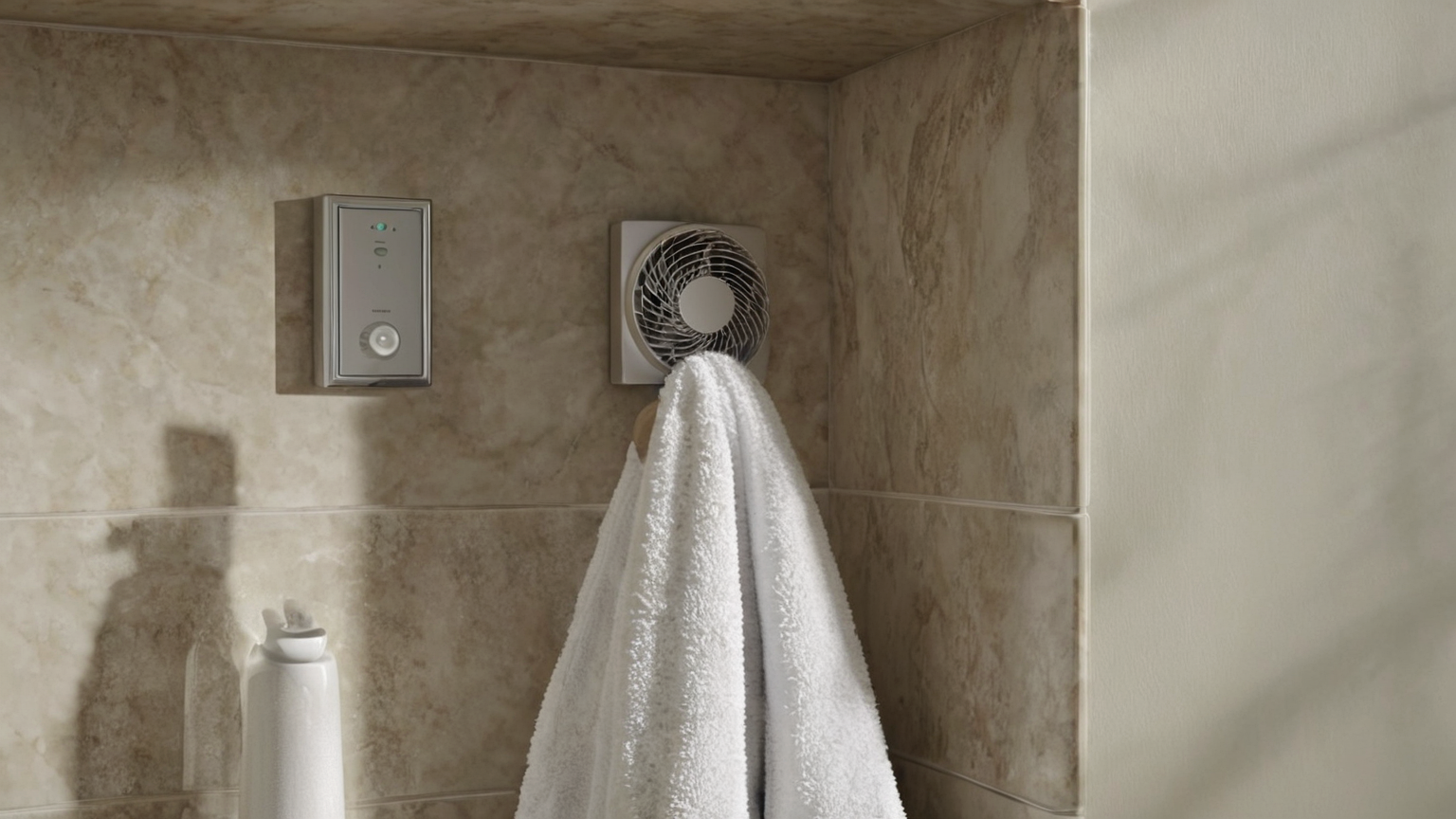
1. Measure the room before changing settings
Notice when humidity rises, how long mirrors stay wet, whether towels dry, and whether the fan actually moves air. A sensor on a shelf can help you see patterns, but it should not sit where direct shower spray or a hot vent creates misleading readings. Record the routine for a few days before deciding the fan timer is too short.
Put the rule into a visible routine: name the trigger, name the safer action, and name the stop condition. That small amount of friction prevents the common problem where a household, renter, or student keeps collecting tips but never changes the next real decision.

2. Use the fan timer as a habit guardrail
Many problems come from turning the fan off too early. A timer or smart switch can keep ventilation running after showers, but it must respect the fan rating, wiring, noise, household schedule, and rental rules. Do not install or rewire devices if you are not allowed or qualified. The safe upgrade is the one that still works when guests use the bathroom.
Put the rule into a visible routine: name the trigger, name the safer action, and name the stop condition. That small amount of friction prevents the common problem where a household, renter, or student keeps collecting tips but never changes the next real decision.

3. Make airflow visible and practical
A closed door, packed towel rack, full hamper, and sealed window can keep moisture around even when a fan exists. Leave a safe door gap when appropriate, spread towels so they dry, and avoid blocking the fan grille. If the room has no fan or window, ask the property owner about approved ventilation options instead of improvising electrical fixes.
Put the rule into a visible routine: name the trigger, name the safer action, and name the stop condition. That small amount of friction prevents the common problem where a household, renter, or student keeps collecting tips but never changes the next real decision.
4. Clean without hiding the real issue
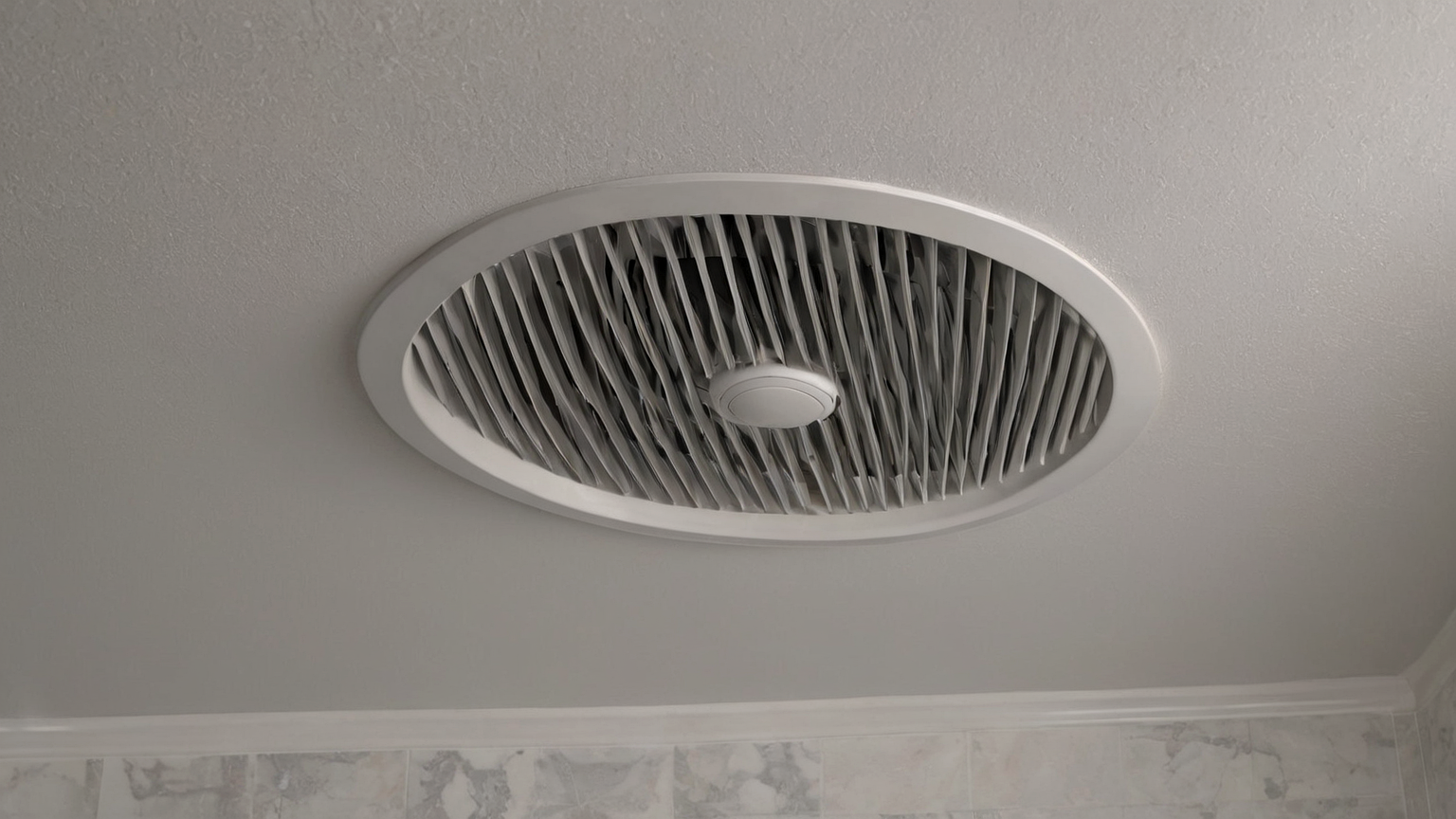
Routine cleaning can remove surface grime, but recurring spots, soft drywall, peeling paint, musty odor, or stains after leaks suggest a moisture source. Do not cover the signal with fragrance, paint, or decorative storage. Document what you see and escalate through the proper channel.
Put the rule into a visible routine: name the trigger, name the safer action, and name the stop condition. That small amount of friction prevents the common problem where a household, renter, or student keeps collecting tips but never changes the next real decision.
5. Protect privacy and account security
Bathroom devices should be boring sensors and switches, not cameras or microphones. Use strong account security for any connected switch, avoid oversharing home presence data, and remove old household members from the app. The article images deliberately avoid screens and readable UI so settings stay in accessible body text.
Put the rule into a visible routine: name the trigger, name the safer action, and name the stop condition. That small amount of friction prevents the common problem where a household, renter, or student keeps collecting tips but never changes the next real decision.
6. Review the routine after weather changes
Summer humidity, guests, laundry habits, and cleaning schedules can change the result. Recheck the routine after a heat wave, vacation, or maintenance visit. Helpful smart-home content should leave readers with a repeatable process and clear stop conditions, not a promise that one gadget solves building moisture.
Put the rule into a visible routine: name the trigger, name the safer action, and name the stop condition. That small amount of friction prevents the common problem where a household, renter, or student keeps collecting tips but never changes the next real decision.
Seven-step implementation checklist
- Confirm the current official source, manual, course rule, lease rule, or local condition before acting.
- Move fragile, private, or safety-sensitive details out of the workflow before sharing it.
- Keep factual warnings in body text and tables rather than in AI-generated image text.
- Choose the lower-risk option when timing, temperature, water, electricity, access, or privacy is uncertain.
- Make a backup plan that works without a phone notification or perfect memory.
- Review the result within a week so the routine improves instead of becoming shelf clutter.
- Avoid affiliate-style product pressure when trust and safety are the reader’s main need.
AdSense and trust note
This article is designed as helpful evergreen guidance: it uses current official or institutional sources, explains limits, avoids fear-based selling, uses internal links for navigation, and keeps claims conservative. It preserves AdSense readiness by adding practical value rather than thin volume.
FAQ
Is this current for June 2026?
The page was prepared during the 2026-06-17 publishing workflow and should be checked against current official pages when facts or conditions change.
Does this replace professional advice?
No. Use a qualified plumber, property manager, instructor, emergency service, clinician, electrician, or other professional when the situation exceeds a general checklist.
Why do the images avoid labels and screens?
The visuals are GTI13 raster illustrations; important instructions remain in accessible article text so fake labels, UI, or unreadable AI text do not mislead readers.